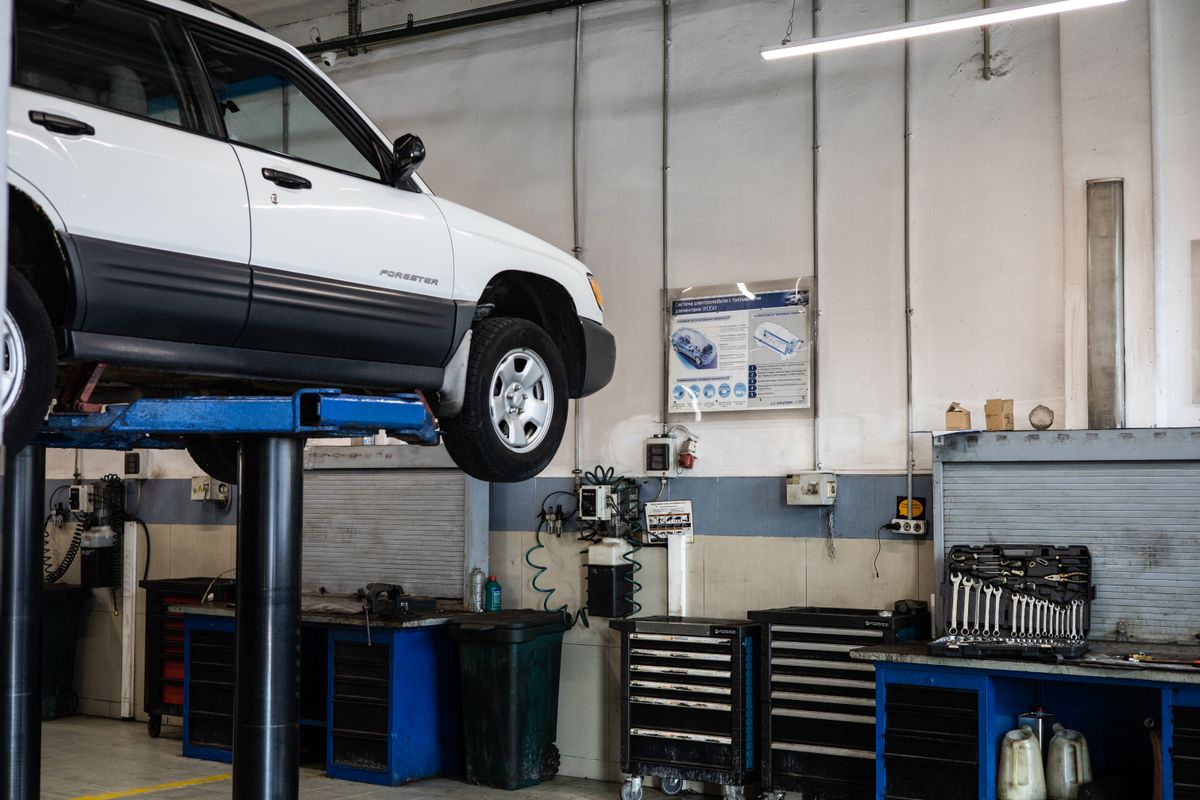
In a dealership service department, an empty bay is one of the most expensive things there is. Technicians are paid whether or not a car is on the lift, and every idle hour is margin you never recover. A surprising share of that idle time comes from service no-shows: appointments that were booked but never confirmed and simply did not show.
No-shows feel unavoidable, but most are preventable. With a tight confirmation process and a plan to fill last-minute gaps, you can keep your bays full and your technicians productive throughout the day.
The stores with the fullest service schedules treat confirmations as seriously as sales treats lead response.
Why service no-shows hurt so much
Unlike a missed sales opportunity, an idle service hour is gone for good. You cannot sell that capacity later. When a customer no-shows, you have lost the labor and the parts revenue from that job, and unless you can fill the slot fast, the technician sits idle waiting for the next car.
Multiply a few no-shows a day across your bays and the lost revenue is significant, all of it from appointments you already had on the books.
No-shows also disrupt advisor workflow. Time reserved for a customer who never arrives could have been spent on walk-ins, follow-up calls, or filling the slot from a waitlist.
Most no-shows are forgetfulness, not hostility
Customers rarely no-show because they dislike your store. They forget, get stuck at work, or assume they can show up whenever. A confirmation process that keeps the appointment visible and makes rescheduling easy prevents most of these losses.
High-value jobs, such as major repairs and long diagnostics, deserve an extra confirmation touch because the customer's commitment is higher and the bay time is more costly to lose.
Understanding this changes how you communicate. Confirmations are helpful reminders, not accusations. That tone gets better cooperation.
Confirmations cut no-shows dramatically
The most effective fix is a consistent confirmation process. A reminder ahead of the appointment, with an easy way to confirm or reschedule, keeps the visit top of mind and surfaces conflicts in advance instead of at the empty bay.
Text confirmations outperform email for most customers because they are seen quickly. A day-before text with a simple reply option can cut no-show rates significantly.
- A reminder the day before with confirm and reschedule options
- A morning-of text confirming the appointment time
- A quick call for larger or higher-value service jobs
- Easy rescheduling so customers move appointments instead of skipping
Have a plan to fill the gaps
Even with great confirmations, some slots will open up. The stores that protect their bays have a plan to fill them fast: a waitlist of customers wanting an earlier appointment, declined-service customers who can be called in, and walk-in or wait-appointment options ready to slot in.
Turning a freed slot into completed work the same day is what keeps technician productivity high and the department profitable, instead of leaving the loss on the table.
A standby list should be actively maintained, not an afterthought. Customers who wanted sooner availability are often happy to come in on short notice.
Overbooking and capacity discipline
Some stores overbook slightly to account for expected no-shows, but that strategy backfires when confirmations improve and everyone shows up. Better to reduce no-shows and fill gaps dynamically than to routinely double-book and stress the lane.
Capacity discipline means knowing your realistic throughput per bay and scheduling accordingly. A packed schedule with no buffer for overruns creates late arrivals, frustrated customers, and cascading no-shows the next day.
The goal is predictable utilization: full bays, realistic timelines, and customers who know when to arrive.
Tracking no-show rate by advisor and source
No-show rates vary by appointment source, day of week, and how the appointment was booked. Tracking these patterns helps you fix the root cause instead of accepting a flat no-show percentage as inevitable.
Appointments booked without a confirmation commitment often no-show at higher rates. Phone-booked appointments with verbal confirmation perform better than online self-scheduling without follow-up.
What gets measured improves. A weekly no-show review with the service team keeps attention on the problem.
A dedicated owner for the schedule
Confirming every appointment, rescheduling conflicts, and filling last-minute openings takes constant attention that overwhelmed service advisors cannot consistently provide while managing the lane. That is why a dedicated specialist focused on service scheduling pays for itself quickly.
With someone owning confirmations and gap-filling, no-shows drop, bays stay full, and your technicians spend their hours on cars instead of waiting. In a department where idle time is pure lost profit, protecting the schedule is one of the highest-return things you can do.
Every confirmed appointment is a bay-hour protected. Treat confirmations as revenue insurance, because that is exactly what they are.
Want this handled for you?
Northlane gives dealerships and shops dedicated operations support so the work gets done without adding headcount.